Connecting Corridors

connectingcorridors

Planting stories. Growing country. Connecting futures.

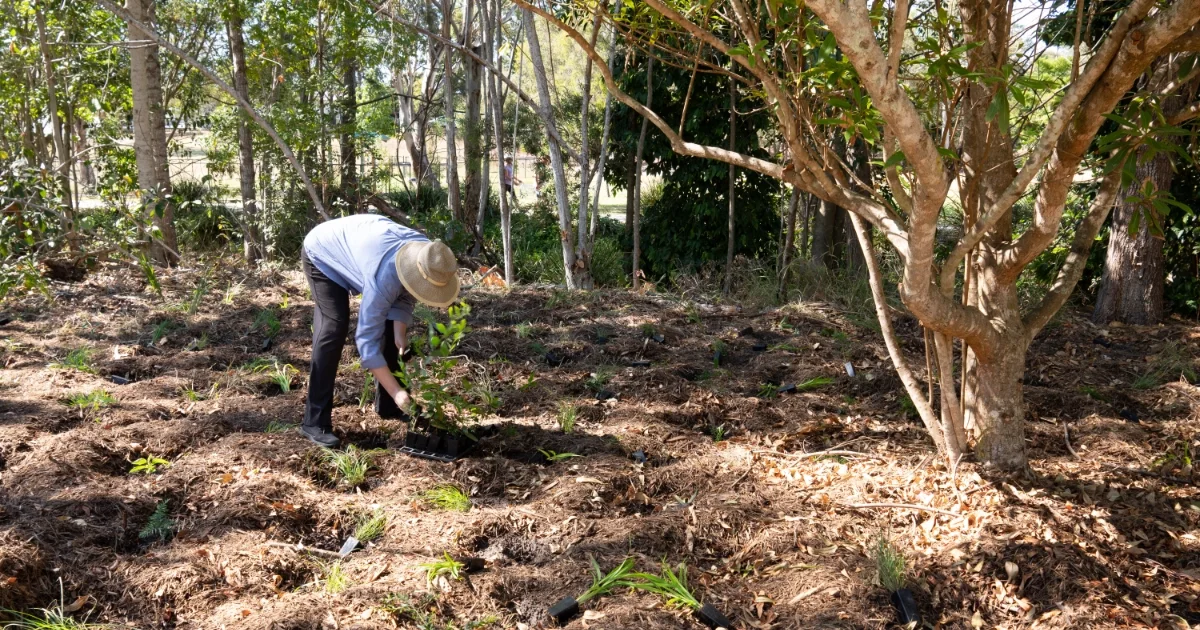
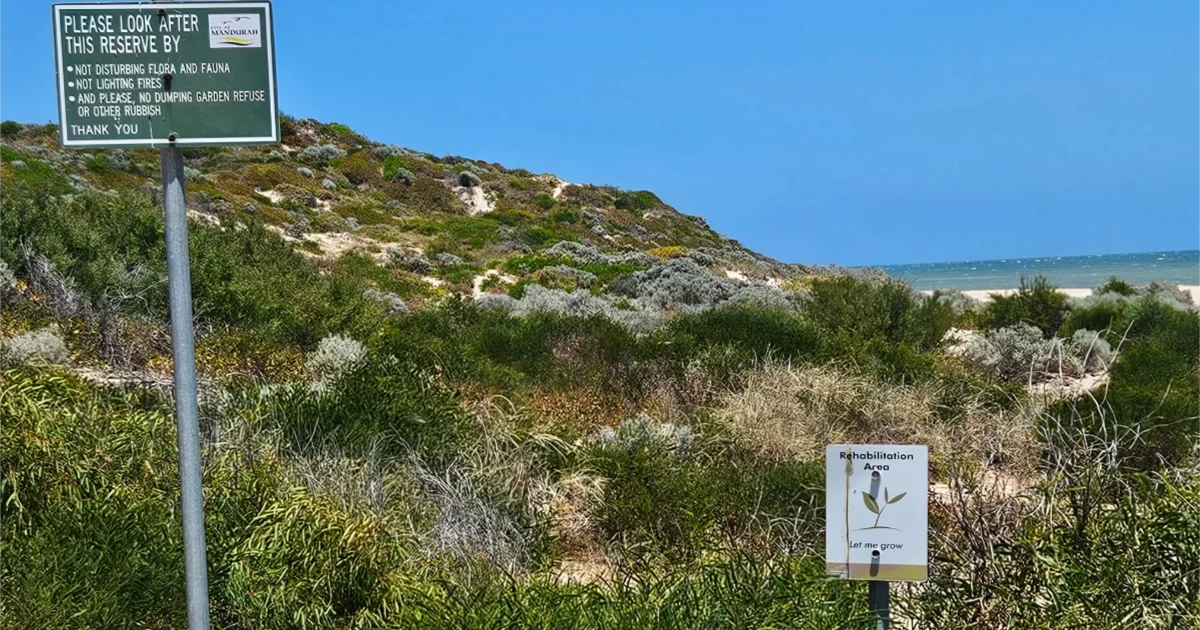
Connecting Corridors is for people who care deeply about place. We protect and restore natural ecosystems, coastal dunes, wetlands, bushland, while building resilient communities that thrive alongside them.

Your Community

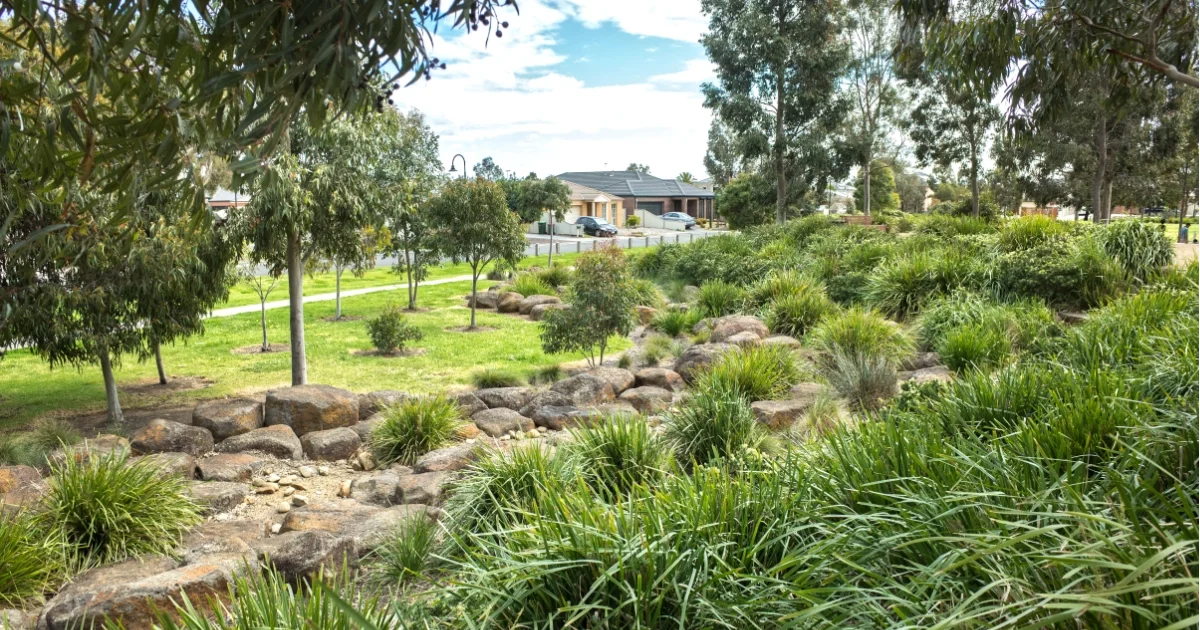
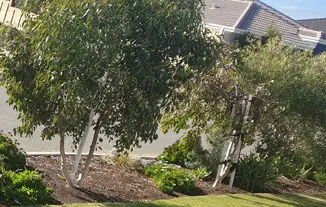
For humans, corridors buffer extreme weather, store carbon & reconnect us with nature in our own backyards. Corridors that weave through neighbourhoods and link them to the environment are vital for fostering a sense of harmony between people and nature. These pathways provide more than just physical connections, they create opportunities for recreation, education, and conservation, while promoting healthier lifestyles & stronger community bonds.

Cooling Suburbia

It’s important for communities to find ways to cool down & create sustainable, livable spaces. Hot suburbs, often caused by excessive use of dark surfaces and limited greenery, trap heat and drive up energy usage, leading to higher costs for residents & a greater strain on the environment. By incorporating lighter, reflective materials and planting trees & vegetation, communities can reduce the urban heat island effect, lower temperatures & cut energy consumption.

Wildlife Habitat

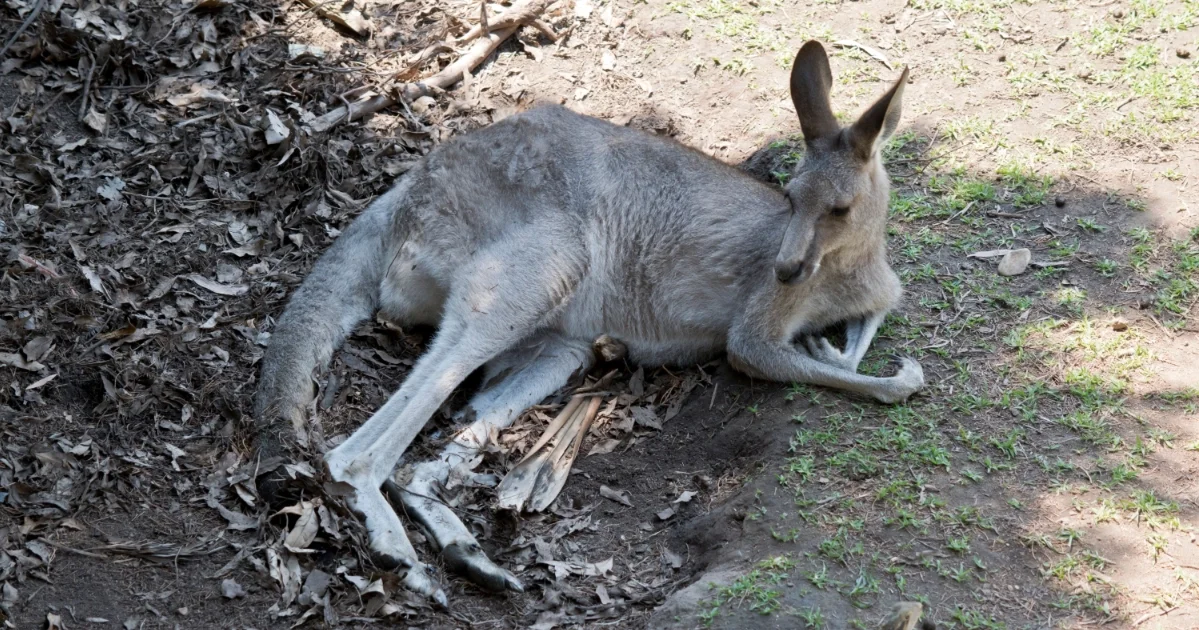
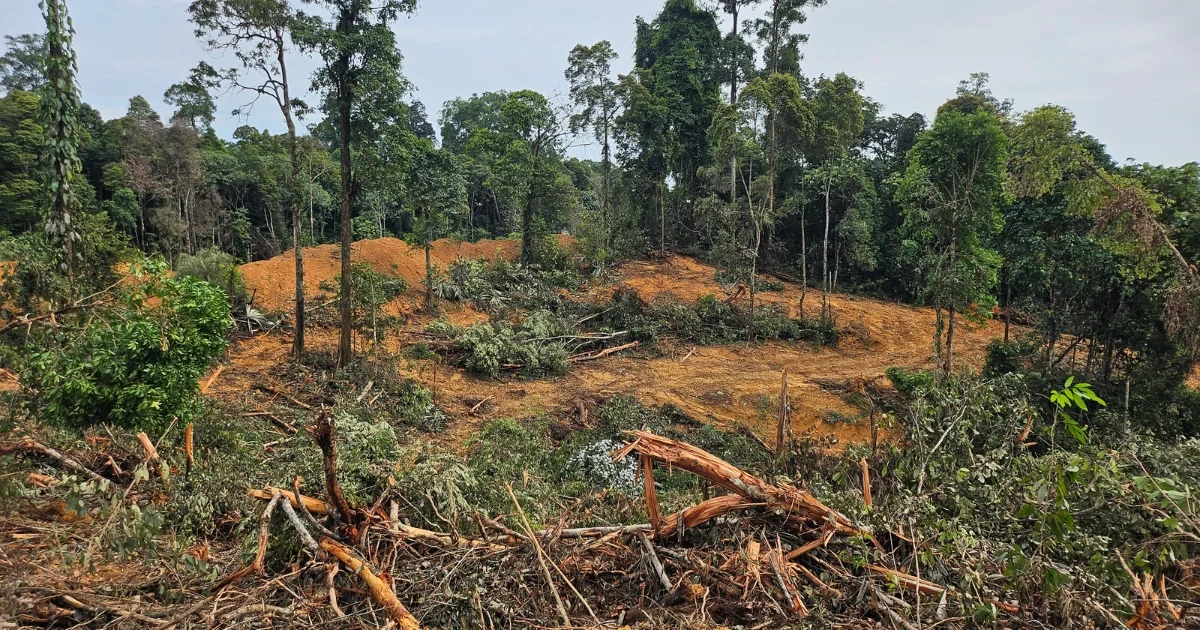
As climate change reshapes habitats & urban sprawl fragments ecosystems, green pathways offer species a chance to adapt, migrate & survive. Corridors create continuity, not just for wildlife, but for cultural & environmental resilience. Restoring these connections now, lays the groundwork for healthier landscapes, stronger communities & a future where biodiversity isn’t just preserved, it thrives alongside us. Wildlife corridors are more than ecological fixes, they’re investments in a livable future.
Wildlife Habitat

As climate change reshapes habitats and urban sprawl fragments ecosystems, these green pathways offer species a chance to adapt, migrate, and survive. For humans, corridors buffer extreme weather, store carbon, and reconnect us with nature in our own backyards. Corridors create continuity, not just for wildlife, but for cultural & environmental resilience. By restoring these connections now, we’re laying the groundwork for healthier landscapes, stronger communities & a future where biodiversity isn’t just preserved ... it thrives alongside us.

Nature's Bounty

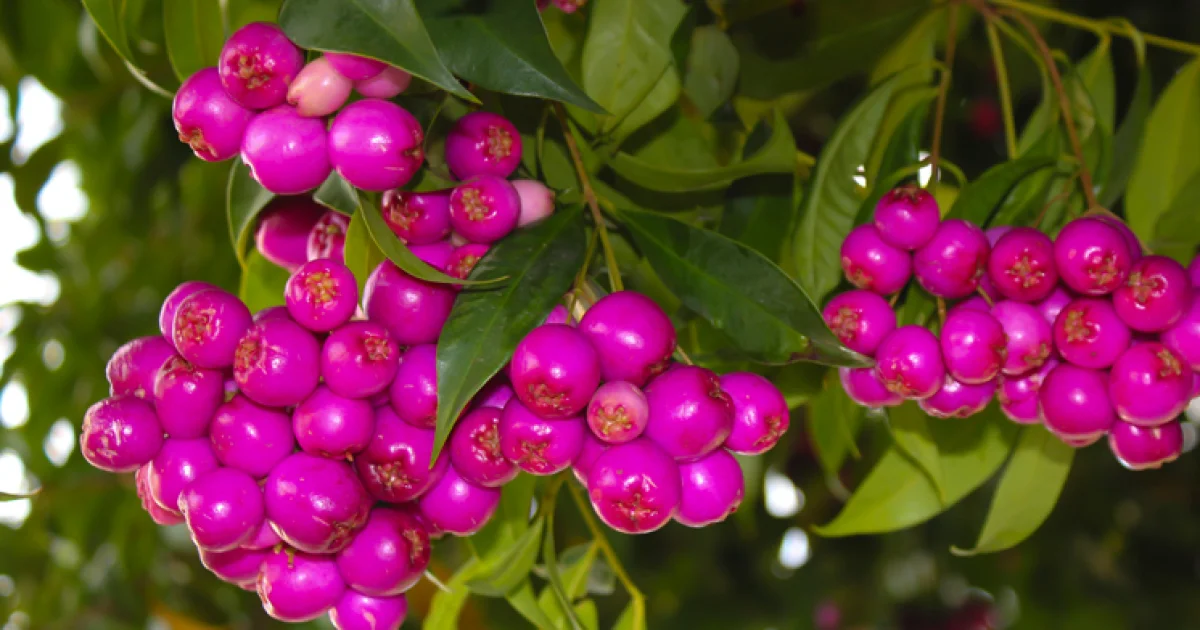
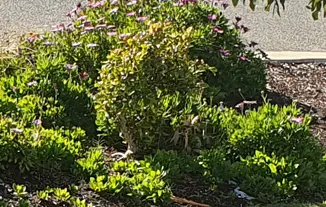
Edible verges in suburbia provide a source of food for wildlife that may otherwise be struggling due to habitat loss. It can inspire individuals to grow their own edible gardens. By incorporating edible verges into suburban landscapes, we can create a more vibrant and ecologically diverse community.

Imagine a world of overheated neighbourhoods,
without birds, leaves, insects or wildlife.

Cooling Suburbia

Reusing Water at Home

Reusing Water at Home

Greywater, the lightly used water from showers, sinks, and laundry, offers an eco-friendly way to conserve water, save money, and support the environment. By reusing greywater for tasks like garden irrigation, households can reduce fresh water consumption and enrich soil health with its natural nutrients. This practice also eases strain on local water supplies and wastewater systems. To start, identify sources of greywater in your home and install a basic or advanced greywater system to redirect this resource safely. Select drought-tolerant plants for irrigation, and maintain the system with proper filtration and eco-friendly products.

Read More About Reusing Water at Home

Your Community

Microplastics in Our Neighbourhood

Microplastics in Our Neighbourhood

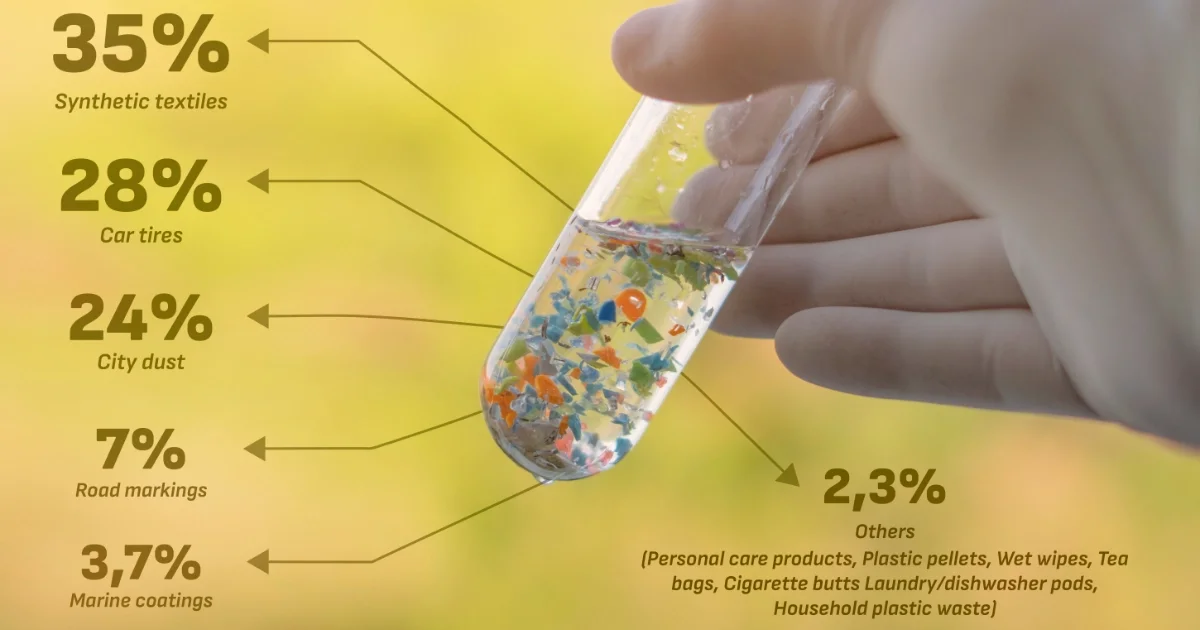
Microplastics have quietly infiltrated our environment, impacting everything from local green spaces to the waterways that sustain life. These tiny plastic fragments, often the result of degraded larger plastics or synthetic fibers, find their way into soil, contaminating natural ecosystems and affecting plant health. Waterways, such as rivers and oceans, act as conduits for microplastics, spreading them far and wide, harming aquatic life that often mistakes them for food. Alarmingly, these particles have been detected in the food we eat, such as seafood, and even in our drinking water, posing potential risks to human health.

Read More About Microplastics in Our Neighbourhood

Wildlife Habitat

Rethinking Nativeness: Climate-Resilient Stewardship

Rethinking Climate-Resilient

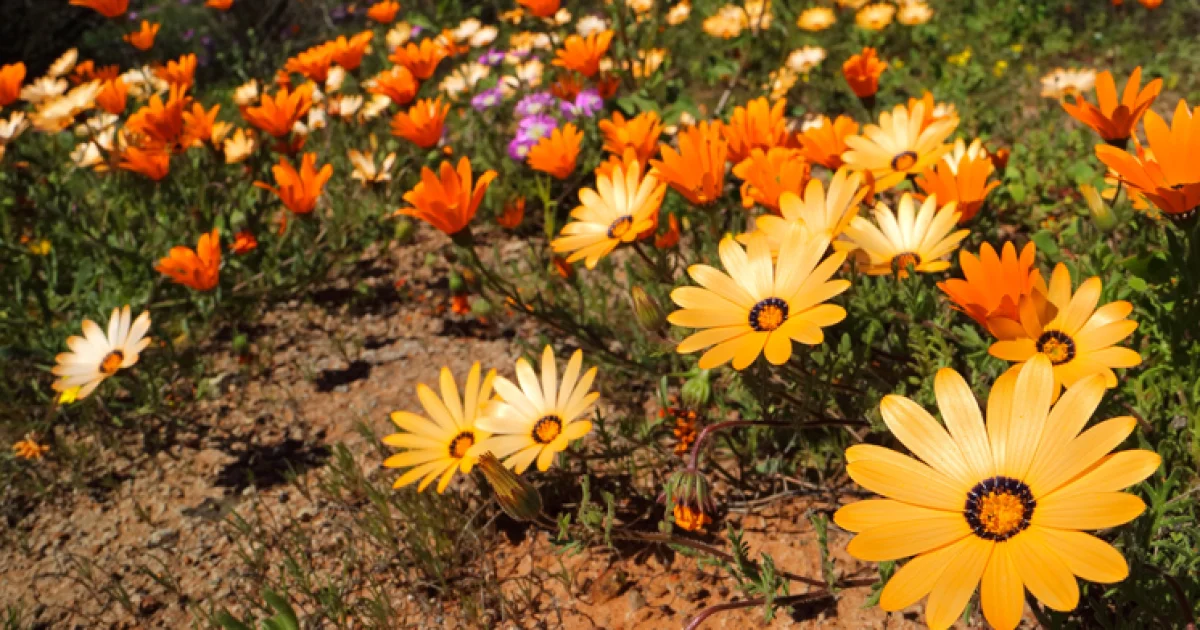
We’re rethinking what it means to plant for the future. Instead of sticking strictly to native species, we’re exploring climate-resilient plants that still support local ecosystems. It’s about choosing what works, what survives, thrives, and helps communities live with their environment as it changes. The goal is practical, thoughtful stewardship that adapts without losing integrity.

Read More About Rethinking Climate-Resilient

Natures Bounty

Desert Lime (Citrus glauca): a tough little flavour bomb

Desert Lime (Citrus glauca): a tough little flavour bomb

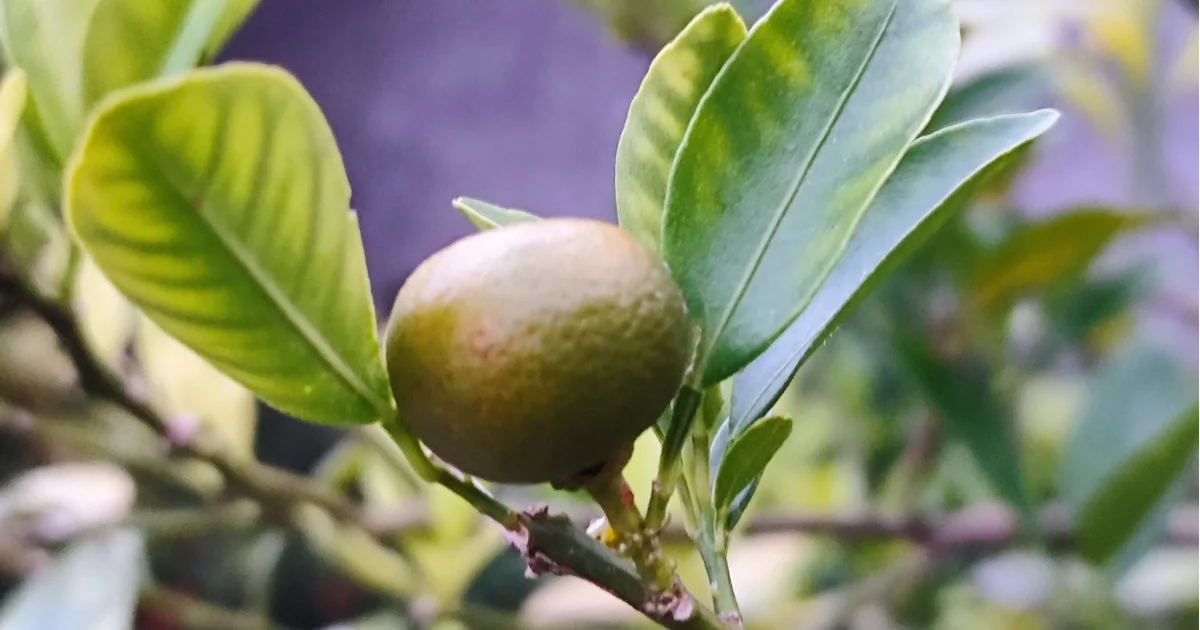
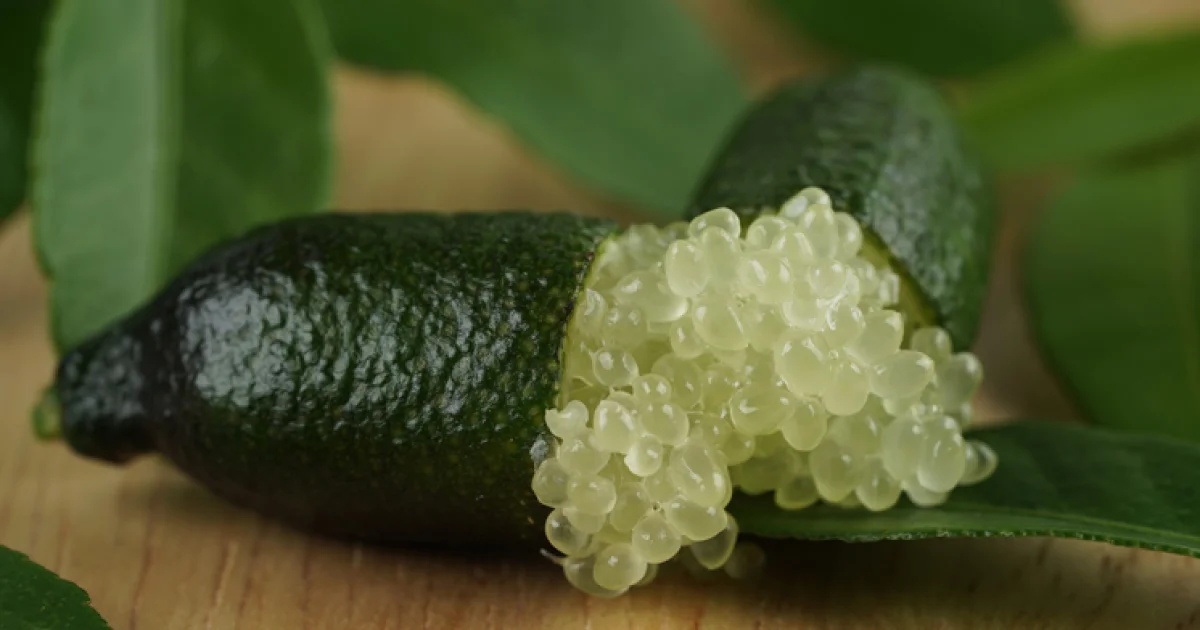
As part of the Connecting Corridors planting, Desert Lime (Citrus glauca) has been slipped into the mix as one of those quietly brilliant species that does a lot of work while looking like it’s just minding its own business. Native to the inland desert regions of Queensland, New South Wales and South Australia, this hardy shrub to small tree carries small, green, grape-sized fruits with a powerful citrus punch. Traditionally eaten whole as a bush food, Desert Lime is now prized for its intense flavour and impressive nutrient profile, including vitamin C, lutein, folate and vitamin E.

Read More About Desert Lime (Citrus glauca): a tough little flavour bomb

OUR PARTNERS

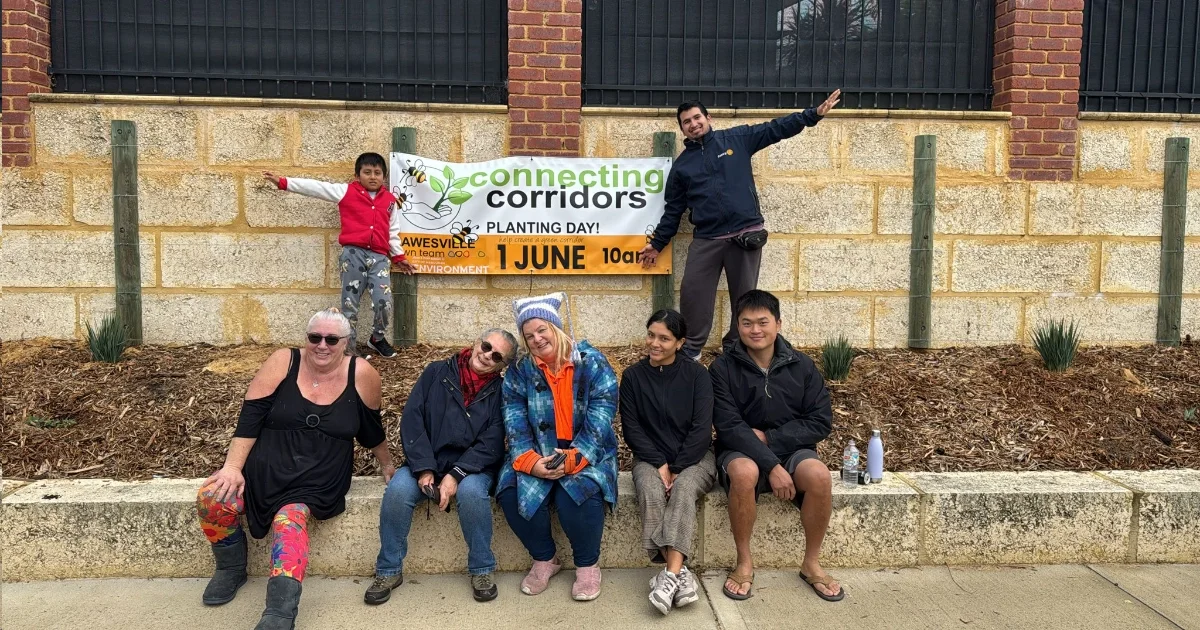
We want to take a moment to express our heartfelt gratitude to all the incredible individuals, organisations, and communities who have teamed up with us at Connect Corridors. Your support and shared commitment to creating greener, more sustainable neighbourhoods are at the heart of everything we do. From transforming vacant lots into thriving green zones to planting pollinator-friendly habitats like the iconic White Gum Tree, none of this would be possible without you.  

But we’re not stopping here! Collaboration is key to making an even bigger impact. If you or your organisation share our vision for a healthier, more sustainable environment, we’d love to explore new ways to work together. Whether you’re passionate about wildlife preservation, urban greening, or community engagement, there’s always room for new ideas and partnerships.